7 Warning Signs of Hidden Water Damage in Your Home
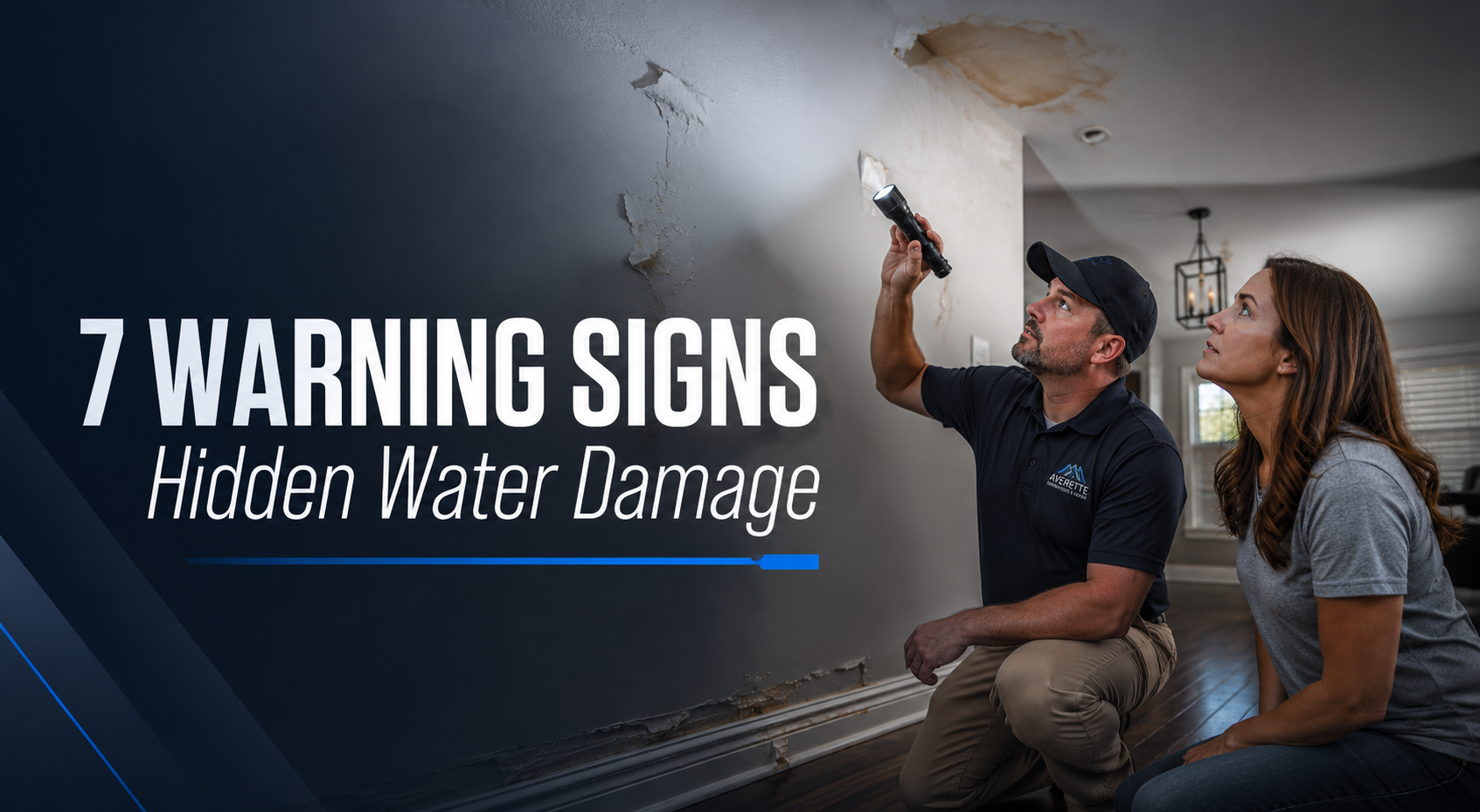
7 Warning Signs of Hidden Water Damage in Your Home
Hidden water damage can start small, but if it is ignored, it can lead to damaged drywall, warped trim, flooring problems, mold concerns, and expensive repairs. Here are seven warning signs every homeowner should know before a small moisture issue becomes a major renovation problem.
Why Hidden Water Damage Matters
Water damage is not always obvious. In many homes, especially in humid areas like South Alabama, moisture can hide behind walls, under flooring, above ceilings, and around trim long before a homeowner notices a serious problem. By the time the damage becomes visible, the issue may already have affected drywall, paint, framing, insulation, flooring, or interior finishes.
For homeowners, the key is catching the warning signs early. A small stain, a soft spot in the wall, or a piece of warped trim may not seem urgent at first, but those details often point to moisture moving where it should not be. The sooner you identify the source and repair the damaged materials, the better chance you have of avoiding more expensive work later.
Water Stains on Ceilings or Walls
One of the most common warning signs of hidden water damage is a brown, yellow, or gray stain on the ceiling or wall. These stains often appear after moisture has already moved through drywall or ceiling material. Even if the area feels dry now, the stain is evidence that water has been there before.
Ceiling stains can come from roof leaks, plumbing lines, condensation, air conditioning issues, or an upstairs bathroom. Wall stains may be caused by exterior water intrusion, leaking pipes, window leaks, or moisture trapped behind the surface.
What to look for:
- Discolored rings or patches on ceilings
- Brown or yellow streaking on walls
- Stains near windows, vents, bathrooms, or plumbing fixtures
- New stains that continue to grow or darken
Painting over the stain without fixing the source can hide the problem temporarily, but it does not solve the moisture issue. The damaged area should be inspected, the source should be addressed, and the affected drywall or ceiling material should be repaired properly.
Back to TopBubbling, Peeling, or Flaking Paint
When moisture gets behind paint, it can cause the surface to bubble, peel, crack, or separate from the wall. This is especially common in bathrooms, kitchens, laundry rooms, around windows, and along exterior walls where humidity or leaks may be present.
Sometimes bubbling paint is dismissed as a simple cosmetic issue. However, if the paint is lifting because moisture is trapped underneath, repainting alone will not last. The underlying surface may need to be dried, repaired, sealed, or replaced before the finish can be restored.
Possible causes include:
- Moisture behind drywall
- Poor ventilation in bathrooms or laundry areas
- Leaks around windows or exterior walls
- Previous water damage that was painted over too quickly
Soft, Swollen, or Crumbling Drywall
Drywall is not designed to stay wet. When it absorbs moisture, it can become soft, swollen, crumbly, or uneven. In some cases, the wall may feel slightly spongy when pressed. In other cases, the surface may begin to flake, break apart, or lose its original shape.
Soft drywall is a serious warning sign because it usually means water has reached deeper than the paint layer. Once drywall has been compromised, it often needs more than a surface patch. The damaged section may need to be removed, replaced, textured, primed, and painted to match the surrounding area.
Warning signs of damaged drywall:
- Soft spots when pressing gently on the wall
- Swelling or uneven wall texture
- Cracking, crumbling, or sagging sections
- Drywall that feels damp or cool to the touch
Averette Renovation & Repair helps homeowners with drywall repair, paint correction, texture matching, trim repairs, and related interior repairs after water damage has been properly addressed.
Back to TopWarped Trim, Baseboards, or Door Frames
Trim and baseboards can reveal moisture problems before the wall itself looks damaged. When water sits near the floor or seeps behind the wall, wood and trim materials may swell, separate, bow, or pull away from the wall.
This is especially common near exterior doors, windows, bathrooms, kitchens, laundry rooms, and areas where flooring meets the wall. A small gap or warped baseboard may not look like a major issue, but it can be a clue that water has been present behind or below the surface.
Look closely for:
- Baseboards pulling away from the wall
- Swollen trim near flooring
- Soft or deteriorating wood
- Door frames that look warped or no longer sit square
- Caulk lines that are cracking or separating
Replacing trim without solving the source of moisture may only provide a temporary improvement. A better repair plan identifies why the trim failed, corrects the problem, and then restores the finished look of the room.
Back to TopMusty Odors That Do Not Go Away
A musty smell can be one of the earliest signs of hidden moisture. Even when you cannot see a stain or leak, a persistent damp odor may mean water is trapped behind a wall, under flooring, inside cabinets, or in another hidden area.
Odors are especially important when they are strongest in one specific room or area. If a bathroom, closet, laundry room, or corner of the house always smells damp, there may be a moisture issue that needs attention.
Common odor problem areas:
- Bathrooms and vanity cabinets
- Laundry rooms
- Closets along exterior walls
- Rooms with previous leaks
- Areas near windows, doors, or plumbing fixtures
Flooring That Buckles, Lifts, or Feels Uneven
Water damage does not only affect walls and ceilings. Moisture can also cause flooring problems, especially with laminate, vinyl plank, hardwood, subflooring, and transitions between rooms. If flooring begins to lift, cup, buckle, separate, or feel soft underfoot, hidden moisture may be involved.
This can happen after a plumbing leak, appliance leak, roof leak, exterior water intrusion, or repeated moisture exposure. The surface floor may show the first sign, but the real problem may be underneath.
Signs of moisture-related flooring damage:
- Vinyl or laminate planks separating
- Soft spots underfoot
- Flooring that feels raised or uneven
- Discoloration around edges or seams
- Baseboards and flooring both showing damage in the same area
When flooring damage is connected to water, the repair may require more than replacing a few boards. The area should be checked to make sure the subfloor and surrounding materials are stable before new flooring or trim is installed.
Back to TopRecurring Cracks, Repairs, or Paint Problems in the Same Area
If the same section of wall, ceiling, trim, or paint keeps failing, there may be a hidden issue behind the repeated repairs. Homeowners often patch cracks, repaint stains, recaulk gaps, or replace trim, only to see the same problem return later.
Recurring repairs are a sign that the visible damage is probably not the root cause. Moisture, movement, poor sealing, exterior leaks, plumbing issues, or ventilation problems may be contributing to the failure.
Pay attention when:
- A ceiling stain returns after being painted
- Paint bubbles again in the same spot
- Trim keeps separating or swelling
- Drywall cracks reopen after patching
- Caulk lines repeatedly fail around windows, tubs, or doors
A proper repair should solve the underlying problem whenever possible. That is the difference between a quick patch and a repair that actually lasts.
Back to TopWhat to Do If You Suspect Hidden Water Damage
If you notice one or more of these warning signs, do not ignore them. Hidden water damage can spread slowly, and the longer it sits, the more expensive the repair may become. The best first step is to identify whether there is an active leak, lingering moisture, or damaged material that needs repair.
Recommended next steps:
- Document the damage with photos.
- Check nearby plumbing fixtures, appliances, windows, doors, and exterior walls.
- Avoid painting over stains until the source is identified.
- Use professional water leak detection if the source is unclear.
- Repair damaged drywall, trim, flooring, and finishes once the moisture problem is resolved.
Need Help Repairing Water-Damaged Areas?
Averette Renovation & Repair provides professional home repair and renovation services for homeowners who need drywall repair, trim replacement, paint correction, flooring repair, caulking, sealing, and interior repair work after water damage.
If the source of the leak is still unknown, consider professional water leak detection before beginning the final repair work.
Frequently Asked Questions About Hidden Water Damage
Can I just paint over a water stain?
You should not paint over a water stain until the source of the moisture has been identified and corrected. Painting over the stain may hide it temporarily, but if the leak or moisture problem continues, the stain can return and the surrounding material may continue to deteriorate.
Does water-damaged drywall always need to be replaced?
Not always, but drywall that is soft, swollen, crumbling, sagging, or repeatedly stained often needs to be removed and replaced. Minor cosmetic staining may be repairable if the material is dry, stable, and the source of moisture has been fixed.
What are the most common causes of hidden water damage?
Common causes include roof leaks, plumbing leaks, appliance leaks, poor caulking, window leaks, exterior water intrusion, condensation, and moisture buildup in poorly ventilated rooms.
How quickly should I repair water damage?
As soon as possible. The longer moisture remains trapped, the greater the chance of drywall deterioration, trim damage, flooring problems, odors, and more expensive repairs.
Who should I call first?
If you know the source has already been fixed, a renovation and repair contractor can help restore the damaged drywall, trim, flooring, paint, and finishes. If you do not know where the water is coming from, leak detection may be needed first.
Protect Your Home Before Small Damage Becomes a Bigger Repair
Whether you are dealing with damaged drywall, warped trim, peeling paint, flooring issues, or repairs after a leak, Averette Renovation & Repair can help restore your home with clean workmanship and dependable service.
Request a Free Estimate